
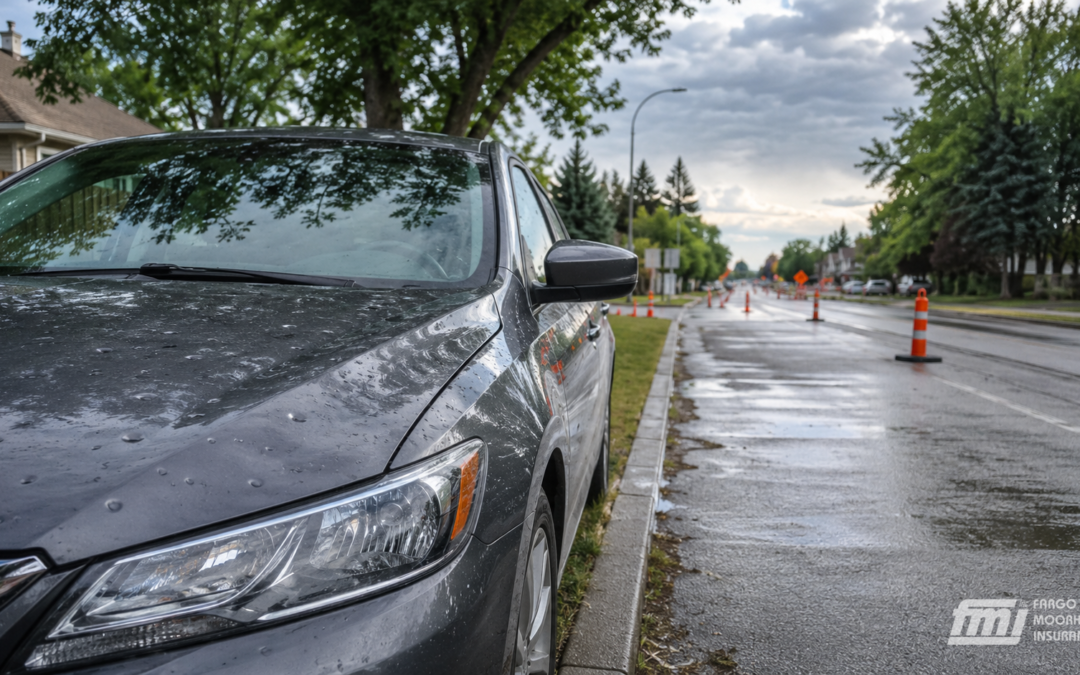
Summer driving around Fargo can be unpredictable. One week it is road construction and parking-lot congestion. The next, it is hail, heavy rain, or a deer crossing on a rural stretch outside town. When something happens to your vehicle, the first question is often simple: “Is this covered?”
For many drivers, the answer depends on whether the damage falls under comprehensive coverage or collision coverage. The two are often mentioned together, but they are not the same thing. Understanding the difference can help Fargo and Moorhead area drivers make smarter decisions about their auto insurance before a claim happens.
The Simple Difference Between Comprehensive and Collision
Collision coverage generally applies when your vehicle is damaged in a crash with another vehicle or object. It can also apply if your car rolls over.
Comprehensive coverage generally applies to damage that is not caused by a collision. Think of it as protection for many of the things that can happen to your vehicle while you are not actively crashing into something.
Both coverages are usually optional unless a lender or leasing company requires them. If you own your vehicle outright, you may have more flexibility. If you finance or lease, the lender may require both comprehensive and collision coverage to help protect the vehicle while the loan or lease is active.
What Collision Coverage Usually Helps With
Collision coverage is about impact-related damage involving your vehicle.
Common examples include:
- Sliding into a guardrail during icy Fargo winter driving
- Rear-ending another vehicle in stop-and-go traffic
- Backing into a pole in a parking lot
- Hitting a curb or road sign
- Damage from a single-vehicle rollover
Collision coverage can apply whether the accident involves another driver or only your own vehicle. It is especially important for drivers who rely on their vehicle every day and would have trouble paying out of pocket for major repairs after a crash.
For example, if you hit a patch of black ice and slide into a light pole, collision coverage is typically the part of your auto policy that would respond to the vehicle damage, subject to your deductible and policy terms.
What Comprehensive Coverage Usually Helps With
Comprehensive coverage is often where Fargo drivers see the most confusion because the name sounds broad. It does cover a wide range of non-collision losses, but it does not mean “everything.”
Common examples include:
- Hail damage from a summer storm
- A cracked windshield from road debris
- Theft or attempted theft
- Vandalism
- Fire damage
- Falling branches or storm debris
- Flood-related vehicle damage, depending on the policy
- Hitting a deer or another animal
That last example surprises some drivers. Even though hitting a deer feels like a collision, animal-related damage is commonly handled under comprehensive coverage rather than collision.
In the Fargo-Moorhead area, comprehensive coverage can be especially useful because vehicles face more than normal traffic risk. Hail, wind, sudden temperature swings, gravel roads, deer activity, and outdoor parking can all create damage that has nothing to do with another vehicle.
Why Deductibles Matter
Both comprehensive and collision coverage usually come with deductibles. A deductible is the amount you pay before insurance helps with the remaining covered damage.
For example, if a covered repair costs $2,200 and your deductible is $500, insurance may help with the remaining $1,700, subject to the details of your policy.
Choosing a higher deductible may lower your premium, but it also means you take on more out-of-pocket cost after a claim. Choosing a lower deductible may make a claim easier to manage financially, but it can increase the cost of the policy.
There is no single right deductible for every Fargo driver. The better question is: “What amount could I comfortably pay tomorrow if something happened to my vehicle?”
When You May Want Both Coverages
Many drivers carry comprehensive and collision together, especially if the vehicle is newer, financed, leased, or expensive to repair.
You may want to consider both if:
- Your vehicle loan or lease requires them
- Your car is worth enough that a major repair or replacement would be difficult to handle on your own
- You depend on your vehicle for work, school, childcare, or commuting
- You park outside during storm season
- You drive regularly on highways, rural roads, or winter roads around Fargo and Moorhead
Even careful drivers cannot control hail, theft, deer, or the way another driver behaves. Having both coverages can create a broader safety net for the vehicle itself.
When You Might Review or Adjust Coverage
As your vehicle gets older, it is worth reviewing whether your current coverage still makes sense. A car with a low market value may not need the same physical damage coverage as a newer vehicle with a loan balance.
That does not mean dropping coverage is always the right move. It simply means the decision should be intentional.
Before removing comprehensive or collision, consider:
- How much your vehicle is worth today
- Whether you could afford to repair or replace it without insurance help
- How much you are paying for each coverage
- Your deductible amount
- Whether a lender still requires coverage
- How often and where you drive
For some drivers, keeping comprehensive coverage on an older vehicle still makes sense because it may be relatively affordable compared with the risk of hail, glass damage, theft, or animal collisions. For others, adjusting collision coverage may be part of a larger budget review.
A Fargo Example: Hail vs. Parking Lot Damage
Here is a simple way to picture the difference.
If your car is parked outside during a summer hailstorm in Fargo and the hood and roof are dented, that is usually a comprehensive claim.
If you are backing out of a parking spot near a busy store and hit another parked vehicle, damage to your own car would usually fall under collision coverage.
Both situations involve your vehicle. Both can be expensive. But they are usually handled by different parts of the policy.
The Bottom Line for Fargo-Moorhead Drivers
Comprehensive and collision coverage work best when you understand what each one is meant to do. Collision helps with crash-related damage to your vehicle. Comprehensive helps with many non-crash losses, including hail, theft, vandalism, glass damage, falling objects, fire, and animal strikes.
For drivers in Fargo, North Dakota and throughout the Moorhead service area, the right choice depends on your vehicle, your budget, your loan or lease status, and the risks you face day to day.
If you are not sure whether your current auto policy fits the way you drive, FMI can help you review your options. A quick coverage check with Fargo Moorhead Insurance can make it easier to understand what you have, what you may be missing, and what makes sense for your vehicle now.